
Scott Gregory: From Major scar tissue to PGA purpose
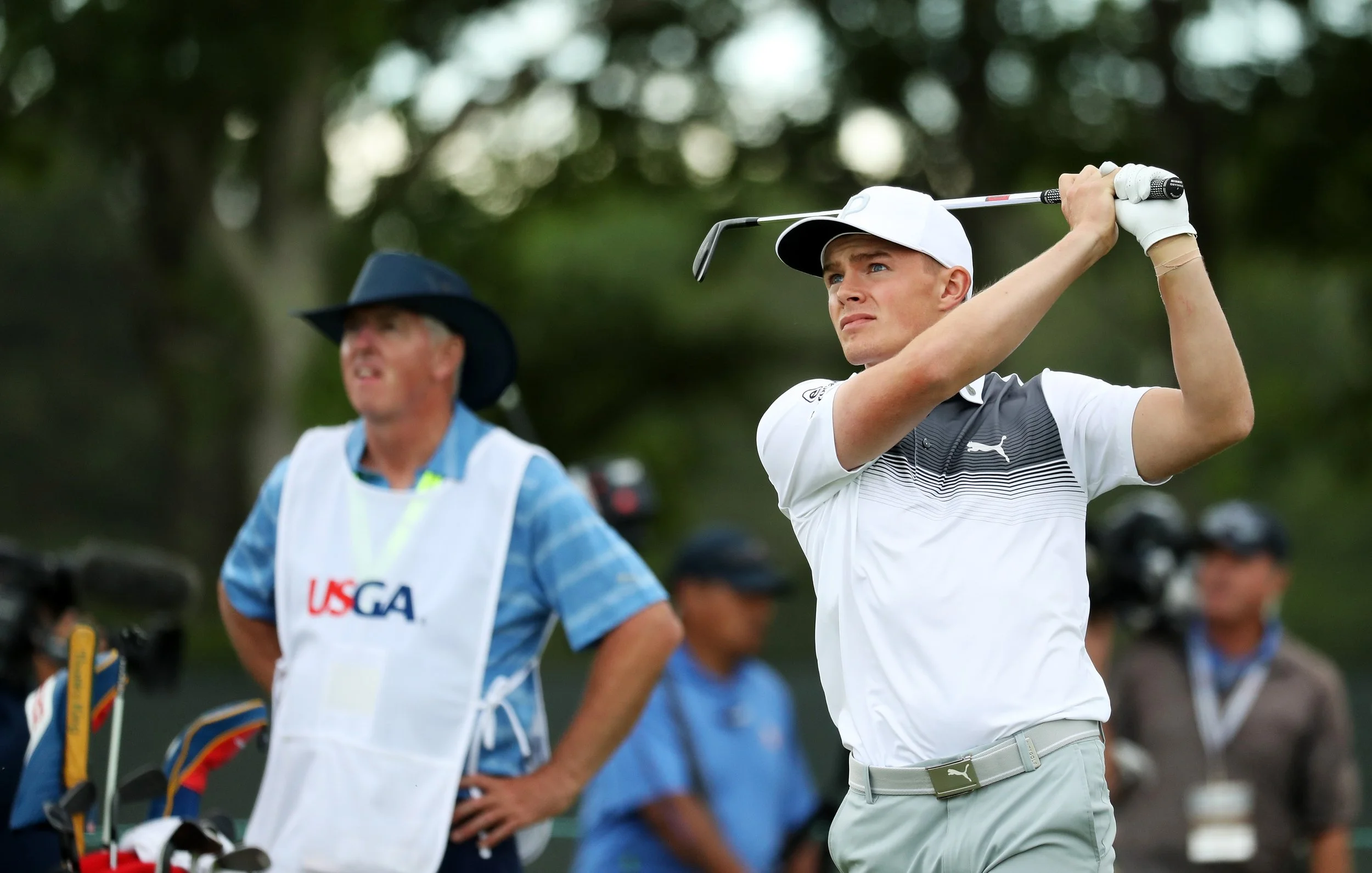
Scott Gregory’s journey from Amateur champion and Walker Cup winner to rebuilding his confidence through The PGA is a reminder that careers can be reshaped, skills can be renewed and a love of the game can return in unexpected ways
Scott Gregory’s golfing story already had enough highlights for several careers: Amateur champion, Major starts at The Open, the Masters and the US Open, and Walker Cup wins over a pairing that included Scottie Scheffler. Then came one brutal round at Shinnecock Hills that did more than dent a scorecard. It challenged his confidence, his identity and his relationship with the game. What has followed is not a simple comeback tale, but something more useful for PGA Members: a story about rebuilding from the inside out, seeking the right help, learning new skills and rediscovering purpose through coaching. Now close to completing his PGA Qualification, Gregory has found a healthier balance between playing, teaching and business. His experience offers a timely reminder that the route forward in golf is not always about chasing the next tour card; sometimes it is about creating a career that lets you enjoy the game again.
Ten years ago, Scott Gregory captured the Amateur Championship, beating Bob MacIntyre – no less – in the final at Royal Porthcawl. With that would come starts in that year's Open at Troon and the 2017 Masters and US Open. There was also a place on the Walker Cup side at LA Country Club where he and Jack Singh Brar would beat Scottie Scheffler and Cam Champ in the Saturday foursomes. They would also win again on the Sunday before Gregory turned pro immediately after the matches.
The 2018 season was spent either on the Challenge Tour or injured but he made it through qualifying to the US Open at Shinnecock Hills. A fourth Major appearance in less than two year – only for him to capture the headlines for the wrong reasons.
On the opening day, Gregory shot a 22-over round of 92, which had a crippling effect on both his game and his confidence.
"I'm more comfortable with it now than I was in previous years but I'd definitely say that it had a massive impact on me as a player and a person,” said Scott. “I never used to really care what people thought but that was the first time that people's opinions of me were a bit more visible," the 31-year-old explained.
"I'd still say there's an element of me being conscious of what people think when I play, which is obviously not ideal, but it's something that I'm working on trying to get better at – accepting results and just going out there and trying to play a bit more freely."
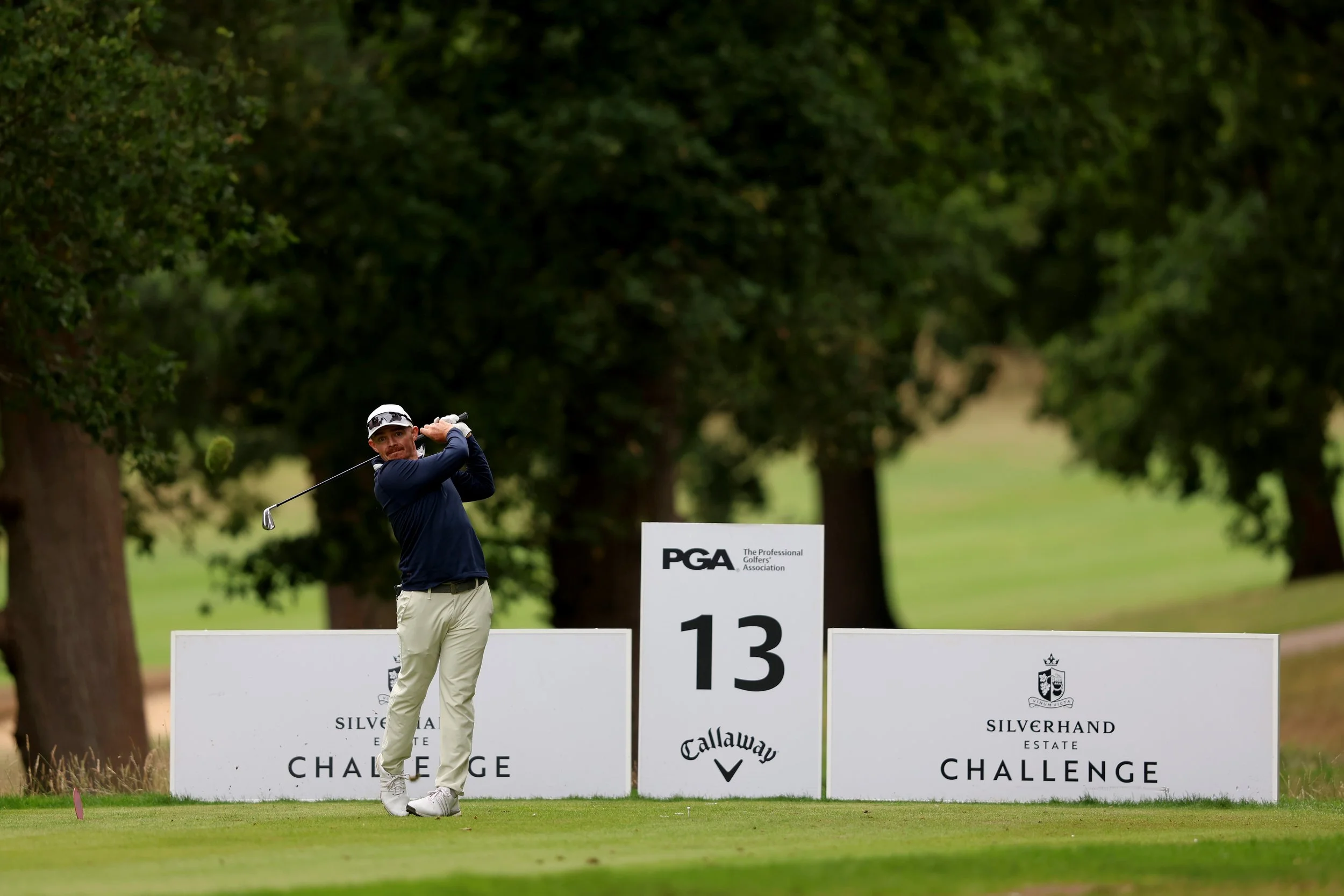
After a telephone conversation with his coach, Simon Andrews, he decided on playing a reliable fade off the tee and eliminating one side of the course. He got it round that day in a very respectable 75. These days, he looks back on that Friday round as his proudest effort, aside from winning the Amateur.
Gregory went on to speak to a collection of mind coaches and the most helpful was a trauma therapist, John Staness, who has nothing to do with golf.
"He's been the most helpful because it was getting to the root cause of why I felt that way or reacted that way, as opposed to trying to come up with coping mechanisms” said Scott. “I've done work with psychologists and it's been great and I have spells where I have no issues mentally off the tee, but then I'll have a couple of bad results and the same feelings come back.
"John has been able to offer some guidance into what's causing it. I'm just trying to build on that and fixing the root cause, like I would in the golf swing, rather than trying to mask all the issues."
Scott is now in a far better place with his golf, helped by completing his PGA Qualification after a suggestion from the Head Pro at his home club, Corhampton, in Hampshire.
"I played on the Clutch Pro Tour in 2023 and I played OK, made a few cuts, finished in the top 25 a couple of times and I made a loss. Ian Roper then asked if I had ever thought of The PGA, which I hadn't, and that's where it stemmed from. I actually emailed The PGA the following day and started the process then."
Scott is now on the verge of completing his BSc (Hons) Professional Golf Studies course and he has now developed a new and varied skillset as well as a recaptured love of the game.
"Although I did well in school and exams, education wasn't something I was too interested in. I found the first year of the course quite tricky because I hadn't written an essay in 10 years, I'd never written a report and I didn't know anything about referencing, but I soon learnt.
"It has also taught me a lot of skills that I was lacking a little bit. When you're playing full-time, you've got all the time in the world. The PGA course has taught me, when I've got that two-hour window of practice, I need to make sure that it's good practice. I want to make sure that I've still got time to do the lessons so that practice time is even more important.
"Coaching the juniors is awesome and I would say that was the biggest turnaround point. Seeing how much they love golf was big because it was like, why do I hate this so much? I can hit it reasonably straight 300 yards and they're buzzing about hitting it 35 yards in the air.
"Also, when I play the pro-ams, even on days when I didn't think that I had played too well, someone would say that their mate had played with me and I was amazing. That's the thing that we miss because we're setting our benchmark so high that you forget that you are actually pretty good at the game," he said.
Scott now has a multitude of options ahead of him and one likely path will be to focus his coaching on the short game and putting. He can point to plenty of time spent with PGA Master Professional Graham Walker and PGA Advanced Fellow Alex Buckner and this has been an area of the game where has always excelled – MacIntyre described Gregory as the best bunker player he had ever seen after their final in Wales.
"That's the area that I advertise myself at. It's the part of my game that's always been the strongest and I enjoy it a lot. I've got members ranging in age and ability, from beginner up to elite level. I think, long term, I'm probably definitely more specialised into the short game side of it. With the short game you see massive improvements and you can get people's handicaps down by half a dozen shots. A lot of amateur golfers hit it quite straight because they're not hitting it too far but then they're wasting a few shots."
Scott also plans to continue playing, a part of the game that he has fallen back in love with, thanks to a new-found balance in his life.
"I never want to give up playing. A big part of my life is going to be playing golf because I love it. I see myself probably going down the Head Pro route, running a shop and running a business. I don't want to go back to a place where I'm not enjoying playing golf.
"At the moment I enjoy it a lot more than when I played on tour, definitely. I'm a lot more relaxed about it. I like playing the PGA events and they offer a really good platform for me to play without any real financial thought.
"I'm not from a background with loads of money. I had a bit of funding behind me, but not loads, so it was always about trying to make sure I made money, which is the wrong way to play, really. Now if I have a good week, I make a profit. If I have a bad week, I'm coaching and I'll make all the money back anyway. So the financial pressure's not there, which I think was the biggest struggle.
" I'm able to enjoy just going out and playing with some good players, meeting nice people and building up a good contact base. I feel, with the help of The PGA, I'm in a much better place from that perspective, definitely."